Few monuments in the world can match the power and presence of the Colosseum. Rising from the heart of Rome, this ancient amphitheater has witnessed emperors, gladiators, roaring crowds, and centuries of transformation. Visiting the Colosseum isn’t just sightseeing — it’s stepping into a living chapter of human history.
A Monument Built for Spectacle
The Colosseum, also known as the Flavian Amphitheatre, was completed in 80 AD and could hold up to 50,000–80,000 spectators. It was designed for entertainment on a massive scale: gladiator battles, wild-animal hunts, dramatic performances, and even mock naval battles.
Walking inside today, you can almost hear the echoes of the cheering crowds and imagine the elaborate shows staged to impress the Roman public.
Architecture That Defies Time
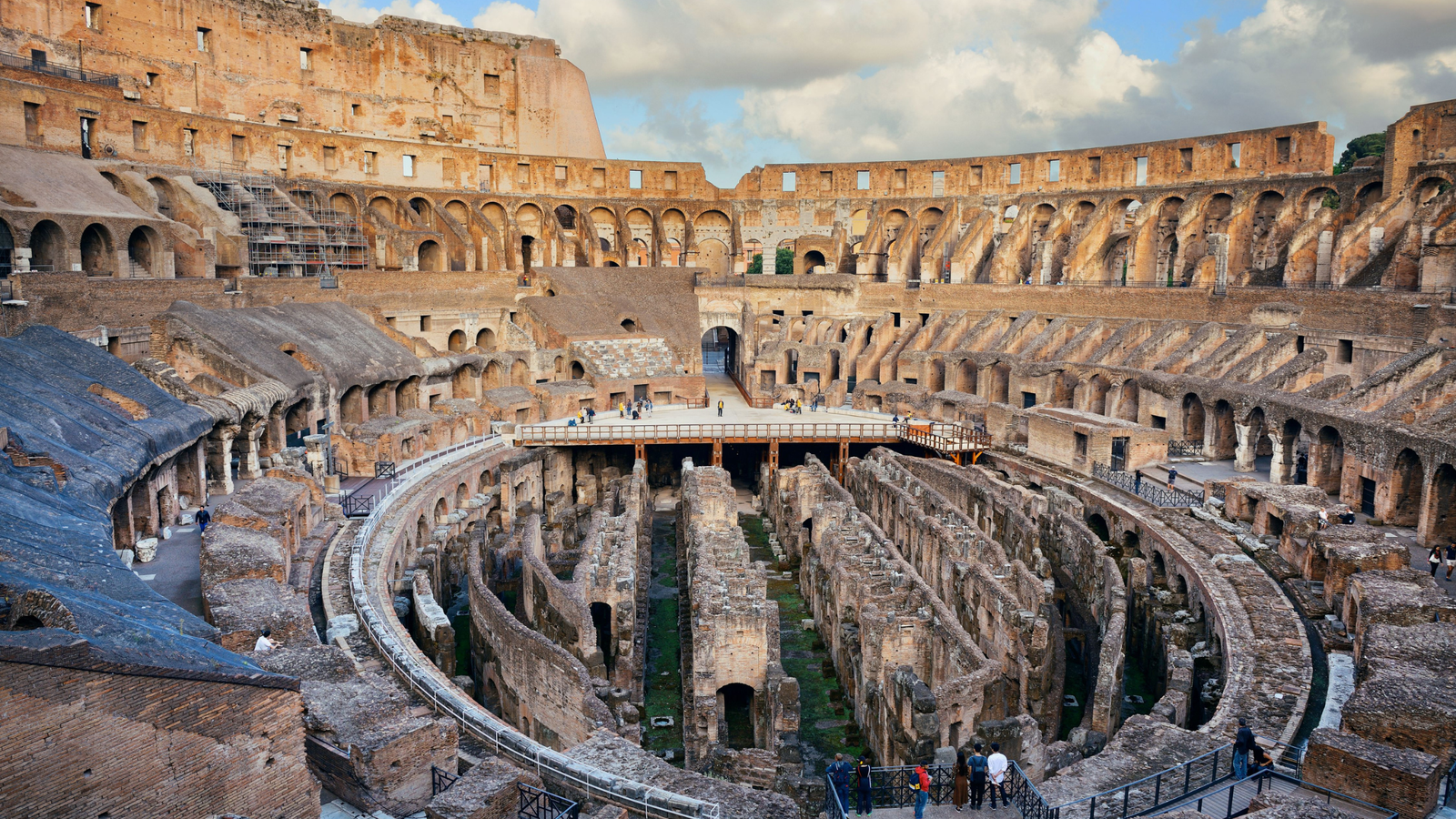
What makes the Colosseum extraordinary is not only its history but its engineering. Built primarily from travertine stone, tuff, and concrete, the structure features a complex system of arches, corridors, trapdoors, and underground tunnels known as the hypogeum.
This network once supported the rapid movement of animals, gladiators, and stage machinery — a true masterpiece of ancient innovation.
The Hypogeum: The Hidden World Below
One of the most fascinating areas is the hypogeum, a labyrinth beneath the arena floor. Here, enslaved workers prepared the shows, lifted animals through wooden elevators, and coordinated surprises for the audience.
Today, parts of the hypogeum are open to visitors, offering a rare glimpse into the backstage of ancient Roman entertainment.
A Symbol of Rome Across the Centuries
Although earthquakes, fires, and centuries of looting damaged the Colosseum, it remains a symbol of Rome’s resilience. It has served as a fortress, a quarry, a Christian shrine, and now a UNESCO World Heritage Site attracting millions of travelers each year.
Its massive arches are an unmistakable image of Rome itself — a blend of power, beauty, and endurance.
Planning Your Visit
To make the most of your experience:
-
Book tickets early to avoid long lines.
-
Visit early in the morning or at sunset for the best light and fewer crowds.
-
Consider a guided or underground tour to access restricted areas such as the hypogeum and upper tiers.
-
Combine your ticket with access to the Roman Forum and Palatine Hill for a full immersion into ancient Rome.
Why the Colosseum Should Be on Every Traveler’s Bucket List
Whether you’re fascinated by ancient history, architecture, or simply want to feel the pulse of Rome’s past, the Colosseum offers an unforgettable journey. It is more than a monument — it is a global icon and one of the most meaningful windows into the ancient world.